Our team speaks English, Polish, Italian and Spanish.

We spoke English, Polish, Italian and Spanish

Choose the right person to speak to in your language, and get clear answers every step of the way. Contact us.

Renovated traditional Italian town house for sale near the beach.

Renovated traditional Italian town house for sale near the Adriatic Sea.

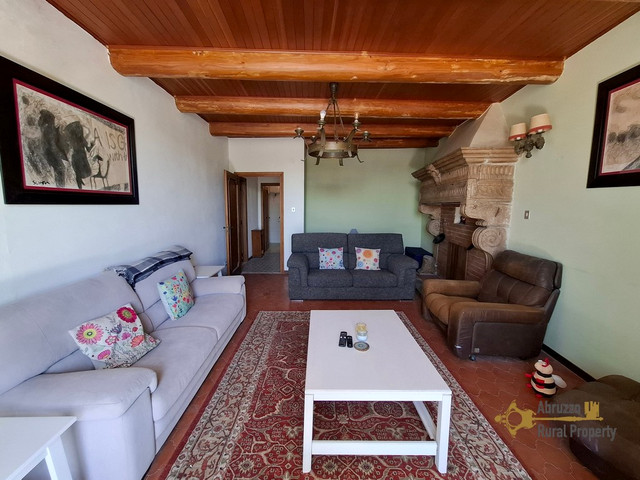
Character Italian house for sale in Abruzzo, 10 minutes from the beach. Stunning vaulted ceilings with exposed bricks. 250.000 €. View Property.

Stone villa with garden and two panoramic terraces, Abruzzo.

Stone rural villa with garden and two terraces, for sale in Abruzzo, Italy.

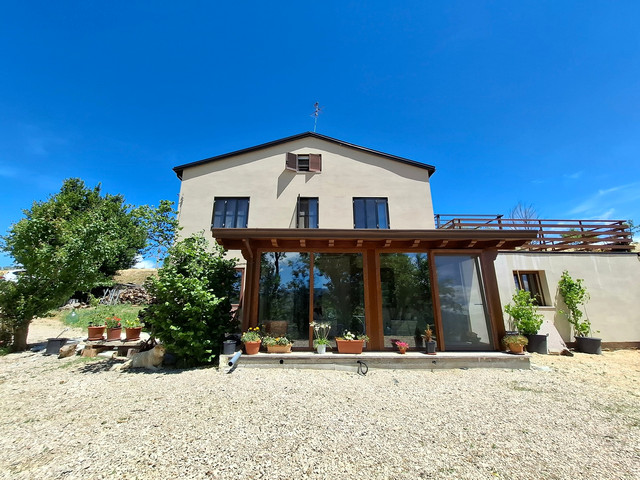
Two-bedroom stone house of 190 sqm, in Civitella Messer Raimondo. Two terraces, garden and garage. Perfect conditions. 150.000 €. View Property.

Charming restored stone villa with swimming pool. Crecchio.

Restored stone villa with outside space and swimming pool in Crecchio, Abruzzo region of Italy.

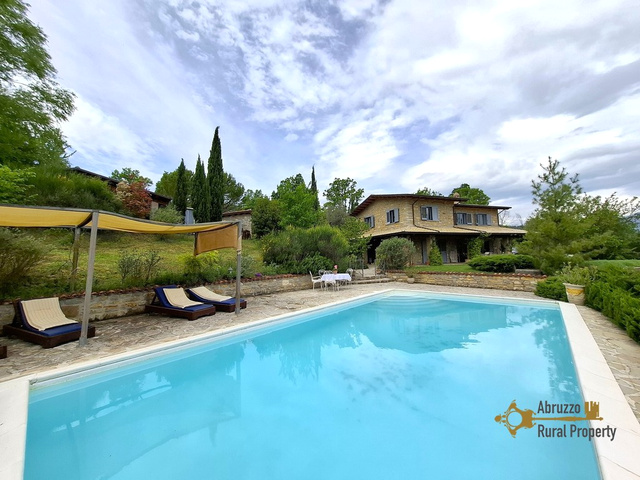
Stone villa with 3 bedrooms, 2 bathrooms, outside space and swimming pool. 30 minutes’ from the Airport. 220.000 €. View Property.

Life in Abruzzo. Events and Traditions.

This blog promotes life style in Abruzzo and Molise regions. Events, festivals, traditions and many others interesting, funny and useful tips about Abruzzo and Molise.

  • Home
    Home This is where you can find all the blog posts throughout the site.
  • Categories
    Categories Displays a list of categories from this blog.
  • Tags
    Tags Displays a list of tags that have been used in the blog.
  • Archives
    Archives Contains a list of blog posts that were created previously.
Recent blog posts

 We bought our house in Italy because we fell in love with it, ruin and all, with no mains services; it had been abandoned for twenty years. We could see the heaved floors, soaked walls due to lack of guttering and the land piled over a metre high at the back wall, north side of the house. We knew that the house involved hard work but honestly we had no real idea, we were excited, enthused by the prospect.

We wanted to embark on the building works ourselves, our finances were low and so we knew that we couldn’t afford surveyors, architects, builders, landscapers, designers, etc... We decided to take on the project ourselves, for most the project would have involved planning on many levels, financial, practical, long term, short term, and critical path analyses! But we were enticed, spontaneous; we were keen but also complete novices.

We both have creative backgrounds and are open to challenges, diversities, the changing ebb and flow of life. And so full steam ahead, fuelled by enthusiasm, drive and commitment we began. Long, long days, weeks, which became months that led to years of long days – time, that is the key. We thought of ourselves as time rich and cash poor, we were happy to invest our time into something we felt important and time is what was required, lots of it and hard work.

We wanted to keep our costs low but also to sensitively restore the house with as many natural, traditional materials as we could keeping a rustic yet visually pleasing look.

We met with our local comune, council and organised the relevant permissions to complete works ourselves. Every local council here is different and permissions and laws change not only from place to place but by year to year. We found ours to be encouraging and whilst there are always hurdles to jump we found this part relatively easy.

So feet first we dived in using just our common sense and a bit of internet research to work out the order of events and the tasks themselves. We wanted to keep our costs low but also to sensitively restore the house with as many natural, traditional materials as we could keeping a rustic yet visually pleasing look. We were keen to be as environmentally friendly and green as possible while not looking for a complete eco house we preferred to minimise the impact. We tried to tread lightly. This we achieved by reusing natural materials and using hand tools for the majority, breathing life back into a smallholding that had been left dormant.

...
Tagged in: Restoration
Hits: 22531

 We asked a couple of friends from the UK, who have lived in Abruzzo for the past 6 years, what in their opinion are the pros and cons of living in Abruzzo. They are youngish, cultured, with a young kid and have chosen to live in the countryside, to embrace a slower pace of life, surrounded by nature.

Let’s see the pro’s and con’s of living in Abruzzo as a British citizen from Lisa’s point of view:

<< Two decades then past working in the city, long hours for little pay, fun, social times but finally the decision was made to look for a property in Italy. I had started an Italian language night class for beginners and was introduced to the region Abruzzo from a small article I noticed in a national newspaper mentioning the Marsican brown bears. Was it possible that there were bears still surviving in Italy? This led to further research into the region, I was hooked, national parks, mountain ranges, the greenest region of Europe, incredible rare flora and fauna, azure coastlines and untouched medieval villages.

This had to be the place, finances dictated too, we had very limited funds, and this region seemed affordable.

The adventure started, we spent 5 months in our old VW camper weaving through the mountain tracks trying to get a feel for the region and to which part we felt more attracted to.

...
Hits: 45120

 Olive oil flows like blood through the veins of most Abruzzan’s. Famously proud of their culture, traditions and of course their food, olive oil is held in the highest of esteem.

We arrived in this little spot of paradise 8 years ago, heady with desire to make a home in this rich and diverse region, attracted by the wild, uncontrived landscape and the draw of the mountain ranges and azure coast alike. As big city dwellers we were searching for a healthier, slower pace of life and wanted our feet firmly stomping on fertile ground. We were overwhelmed by the depth and passion the Abruzzesi share with everything they do. Olive oil was something we definitely wanted to produce for our little family and extended family and the hoards of friends we knew would descend on us throughout the years.

In September we give a counter prune, take out shoots that have no fruit, or branches that will hinder picking, let in an extra bit of light to mature the fruit.

Our first taste of production was by a chance meeting with our now great friends whilst waiting to view a house in Casalanguida, a place we later found out to be considered the heart of olive oil in this area. We met in March just in time for the pruning stage of the plants and we were openly invited to assist, we eagerly agreed and spent a happy few weeks pruning and cleaning 1000 plants. We say plants as that is the translation here, they are then forced into a tree shape for maximum production.
We learnt that pruning is done in a two year cycle, with half of the trees pruned hard to encourage new growth. Those then would produce less fruit than their less harshly pruned neighbours which would be called production plants for that year. We even joined our friend on a day pruning course to learn how to recover abandoned olives, a skill that became essential when we finally had our own grove.

If you ask 10 locals how to prune you will get more that 20 different solutions, so we slowly fell into our preferred style with consideration to the abandoned grove we have. The plants are huge and were surrounded by edging woodland so we slowly freed the plants revealing gnarly gloriously shaped trunks. Some with so many trunks we renamed them Stonehenge! They are grand and powerful and shimmer in their beauty.
We try to keep them low for ease of picking and try to divide them into four champagne glass shape corners, opening out the centre to allow light throughout the whole plant.
We were told that the olive is very forgiving and they grow so vigorously we have never held back on their sculpting, all is a learning curve and what you may think were mistakes will be forgiven by next year’s growth. Every year we improve on the grove. The grove is then left for the summer, just merely keeping the grass down, the plants make gentle dabbled shade for afternoon naps!
In September we give a counter prune, take out shoots that have no fruit, or branches that will hinder picking, let in an extra bit of light to mature the fruit. The most important job then is to clean around the bases where new growth is shooting up, this makes laying the nets under difficult, we make sure that the bases and land is very clear and clean, this prevents ripping nets, one of our catchphrases is ‘no noses’.

The great harvest – branches laden, drooping to the floor, almost like bunches of grapes. When to pick, that is the question, every year brings new influences, is the fruit ready, how has the weather been, too much water, not enough, too much sun, not enough, high winds at flowering, the dreaded fly, all negate the quality and quantity of the harvest. Ours being an experimental approach we prefer early picking towards the end of October, we prefer full flavours over high production. Again some wait for the plants to be an array of fruit both green and black morphing from one to the other, whilst others will wait till all is black, full of oil, easy picking, or is the choice to wait until the perfect phase of the moon, should your approach be biodynamic.

...
Tagged in: Olive grove Olive oil

Posted by on in Buying process

 Once you’ve found a home you want to buy, the next step is to make an offer, usually through an estate agent. There are no restrictions on foreign ownership in Italy.

Offer:

When you find the right property in Italy you can place an offer. If the offer is accepted by the owner of the property, Abruzzo Rural Property will collect all the documents related to the house.

The most important documents are:

  • Titles documents
  • Floor plans and land maps
  • Energy certification

There might be other documents required by the notary. We will provide to the notary all the documents he asks for. The notary will check all the documents, if everything is in order he will issue an estimate. The estimate will include: Notary fee, purchase taxes, registration taxes.

When the notary gives his approval, and issues an estimate the buyer can choose to have a technical survey. The survey is not a mandatory document, it is not required by the notary. Nevertheless, the buyer might want to have it to be sure about the state of house. A survey can be provided by any registered surveyor, architect or engineer.

...
Tagged in: Purchasing process